
State Emergency Relief (Michigan SER)
Last updated August 2026
State Emergency Relief (SER) is Michigan's crisis fund, and it moves fast: a decision within 10 days, the quickest of any MDHHS program. It covers utility shut-offs. Heating fuel. Energy-related home repairs. Rent and moving help. Even burial costs. Apply at MI Bridges or your county office the day the crisis hits.
For utilities, know the copay going in. Your household pays a required share first: $40 for heat, $22 for electric, for one person, more for bigger homes. MDHHS can then pay the rest, enough to hold service at least 30 days. Heating fuel caps at $600 to $900 a year by fuel type. One heat payment and one electric payment per year.
Furnace dead? Energy repairs and replacement carry a $4,000 lifetime cap per family. Non-energy repairs like water heaters and septic get $1,500. You must own and live in the home, with housing costs under 75 percent of net income.
Facing homelessness, domestic violence, an eviction judgment, or condemned housing? Relocation assistance covers rent arrears, deposits, and moving costs, up to $410 for one person and $1,040 for six or more.
Burial help has a strict clock: ask within 20 business days of the burial or cremation. Maximums run about $875 for burial with a service. And know what SER is not: a fix for chronic bills. For those, the state points to weatherization and the Home Heating Credit. One SER energy payment also opens self-sufficiency services through 2-1-1.
Who qualifies
- For energy help, household income must be at or below the LIHEAP income limit, and there is no income copay for energy services
- You must be in or facing an emergency such as a utility shut-off, eviction, or homelessness; housing help covers rent, arrearage, deposits, and moving costs
You may qualify. The program makes the final decision.
How to apply
- 1
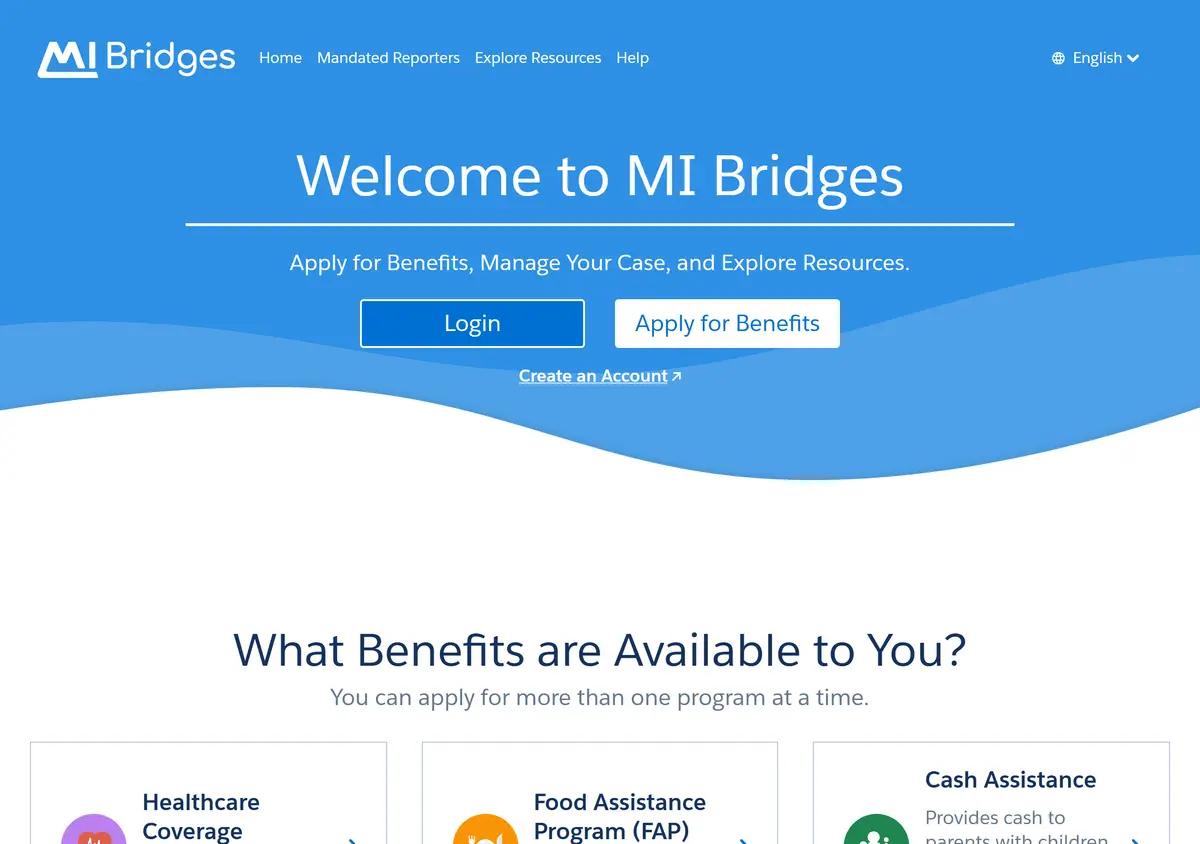
Apply at michigan.gov/mibridges or your county MDHHS office as soon as the emergency hits; decisions come within 10 days.
- 2
For a shut-off: bring the notice, and be ready to pay your required copay ($40 heat / $22 electric for one person, more for larger homes).
- 3
For a dead furnace: apply as the owner-occupant; repairs cap at $4,000 lifetime for energy equipment.
- 4
Facing eviction judgment, homelessness, or domestic violence? Ask for relocation assistance: up to $410-$1,040 by household size.
- 5
For burial help: apply within 20 business days of the burial or cremation, without fail.
- 6
For chronic energy costs, ask about weatherization and the Home Heating Credit instead; SER is for one-time emergencies.
What the application looks like
Common questions
How fast does SER decide?
Within 10 days, the fastest deadline of any MDHHS program. Apply the day the emergency hits.
Does SER pay my whole shut-off bill?
No. Your household pays a required copay first ($40 heat / $22 electric for one person, scaling up), and MDHHS can cover the amount above it, enough to hold service at least 30 days.
Can SER fix my furnace?
Yes, for owner-occupants: energy-related repair or replacement up to a $4,000 lifetime family cap, when the home is not for sale and housing costs stay under 75 percent of net income.
Does SER help with rent or moving?
Yes, for households facing homelessness, domestic violence, an eviction judgment, or condemned housing: rent arrears, deposits, and moving costs up to $410 for one person, $1,040 for six or more.
How does burial assistance work?
Request it within 20 business days of the burial, cremation, or body donation, for decedents whose remains are in Michigan. Maximums run about $875 for burial with a memorial service.
SER said no to my ongoing bills. What now?
SER is built for one-time crises. For chronic energy costs, apply for weatherization and file the Home Heating Credit, and dial 2-1-1 for the self-sufficiency services an SER payment qualifies you for.
Not sure this is the right program for your situation?
See all Michigan programs →Free · Private · No account needed